The chaos of information on construction sites and the search for clarity
For those outside the Civil Engineering sector, it may be hard to imagine the everyday challenges faced by professionals on-site.
But think about it: a Civil Engineer lives a hectic routine, especially when managing multiple projects at the same time. Without an organizational system in place, instant messaging tools often become the main channel for exchanging construction updates.
WhatsApp is usually the go-to choice. However, WhatsApp is not a platform that provides traceability of what is actually happening. Finding specific information or images related to an incident or date becomes difficult. There is no clarity.
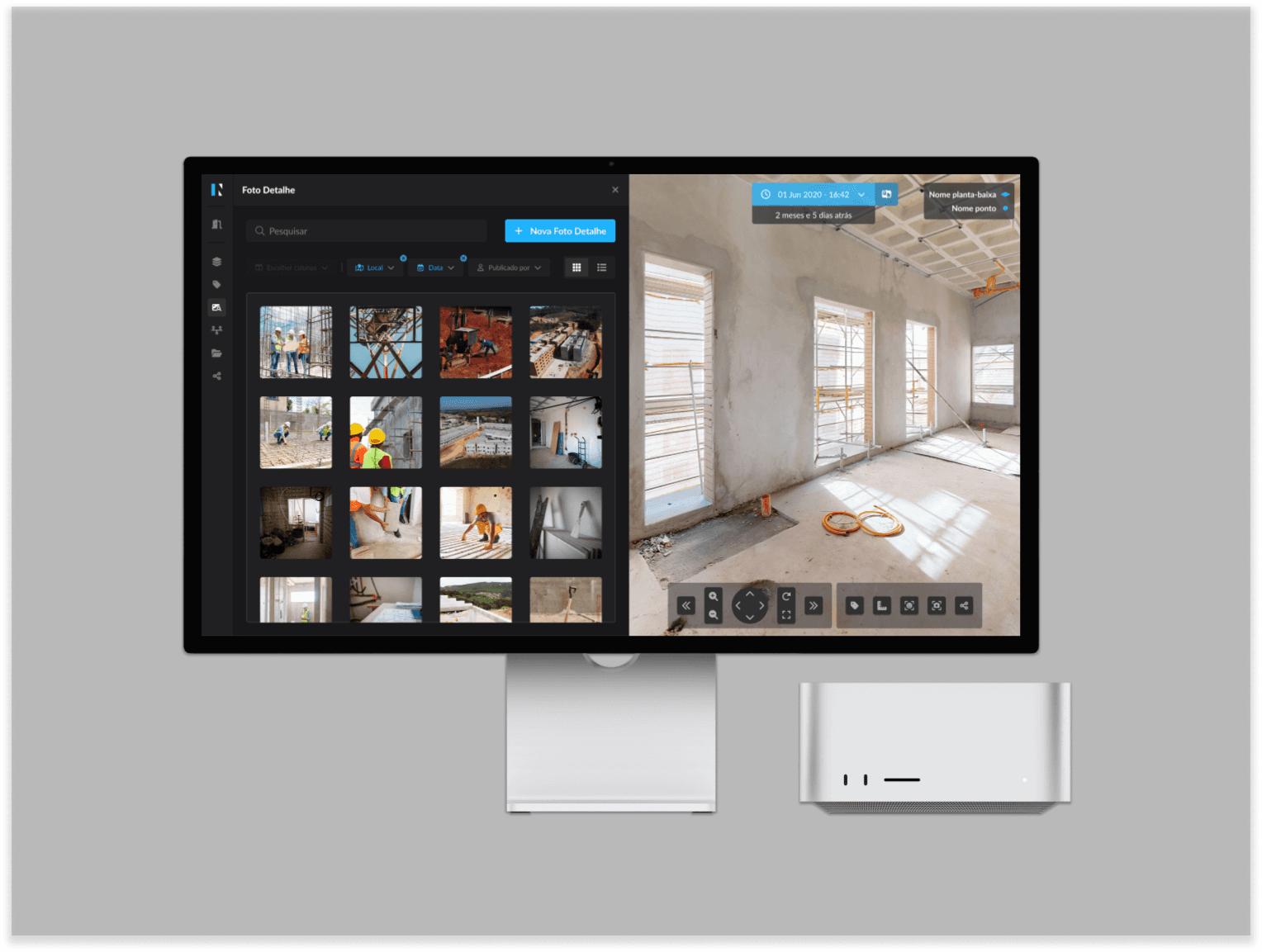
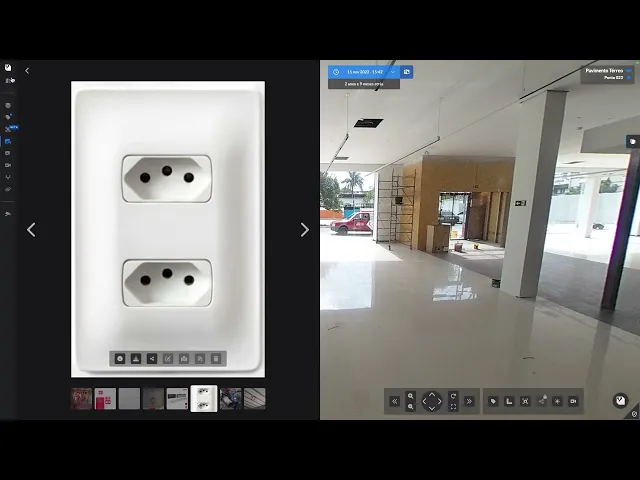
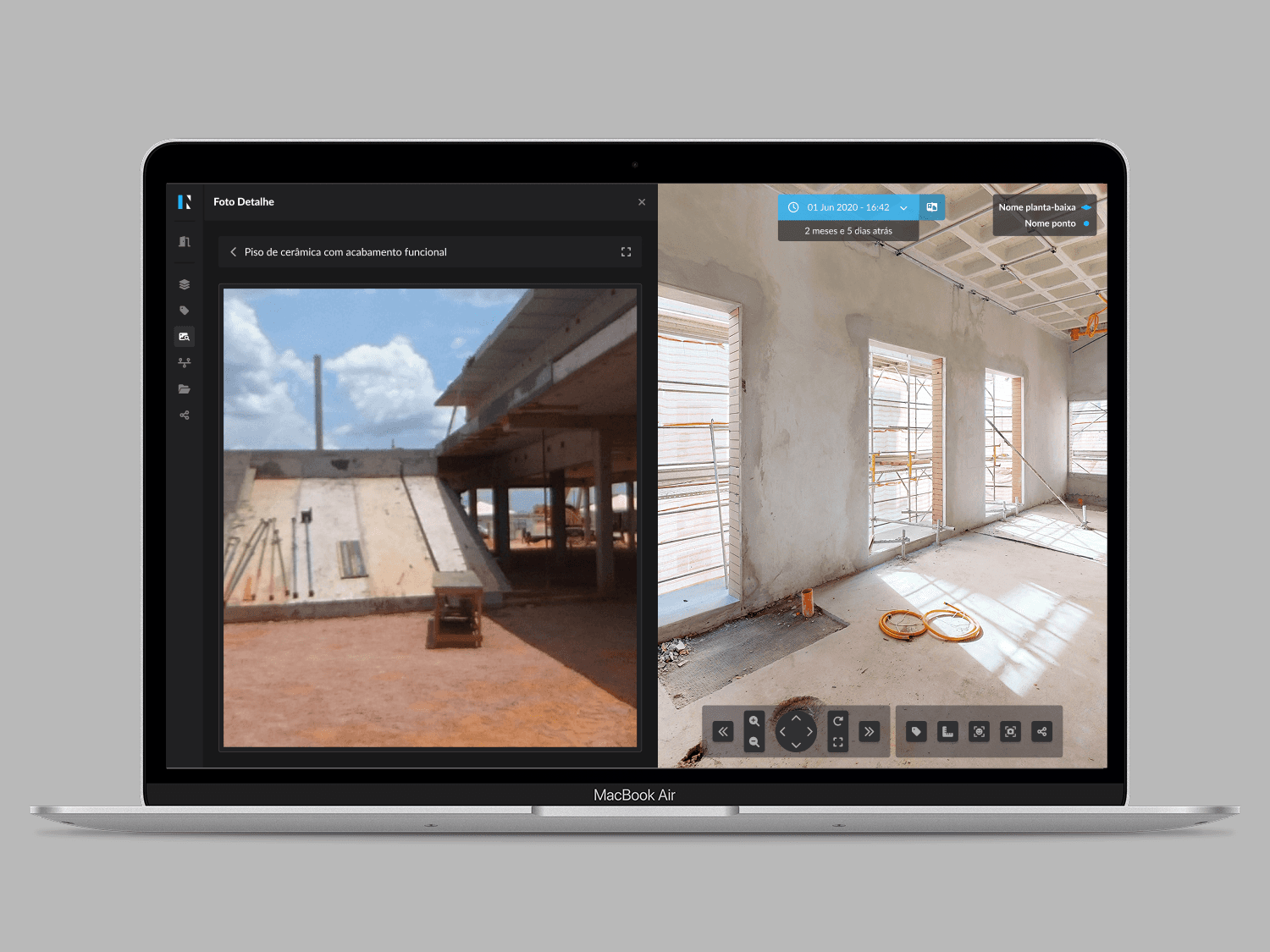
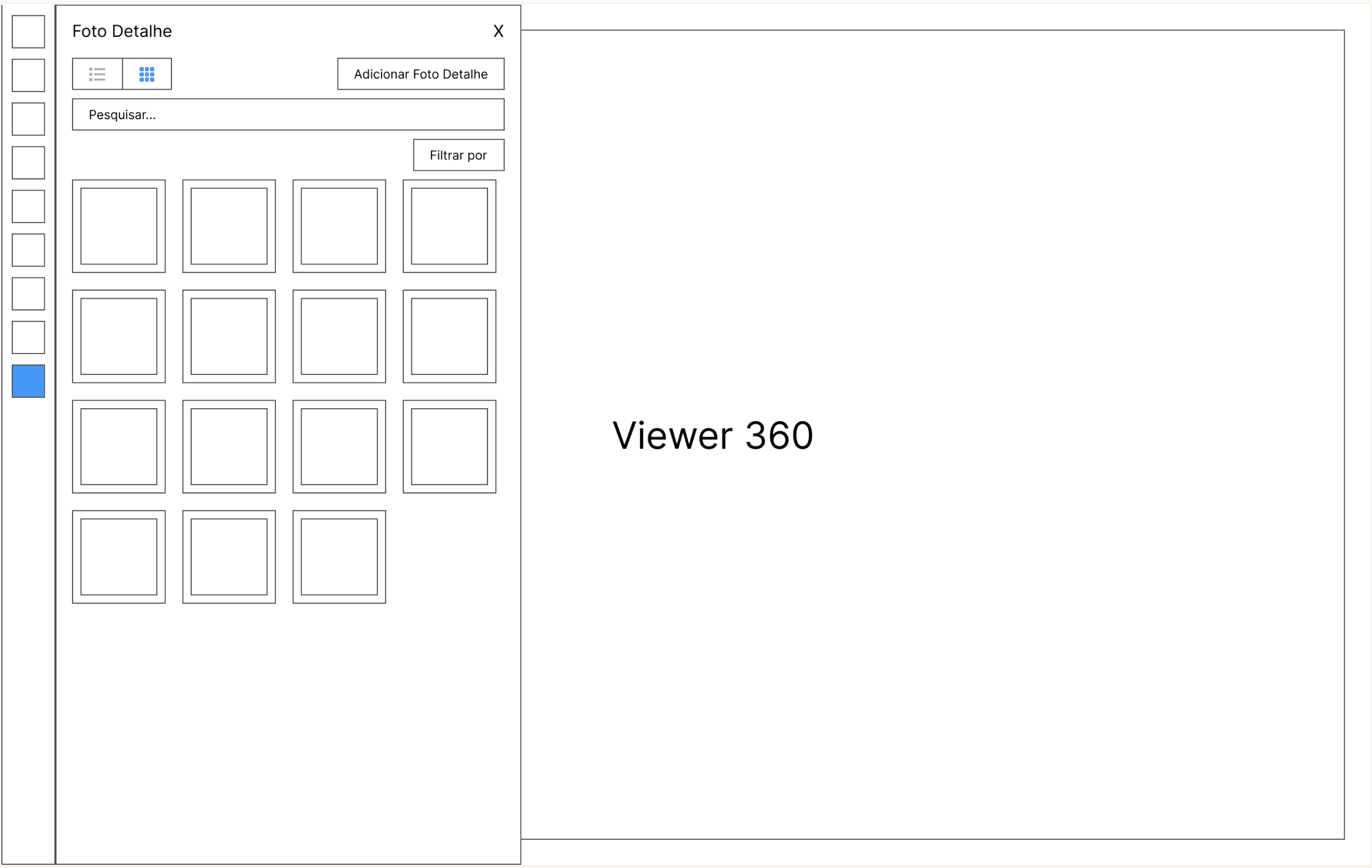
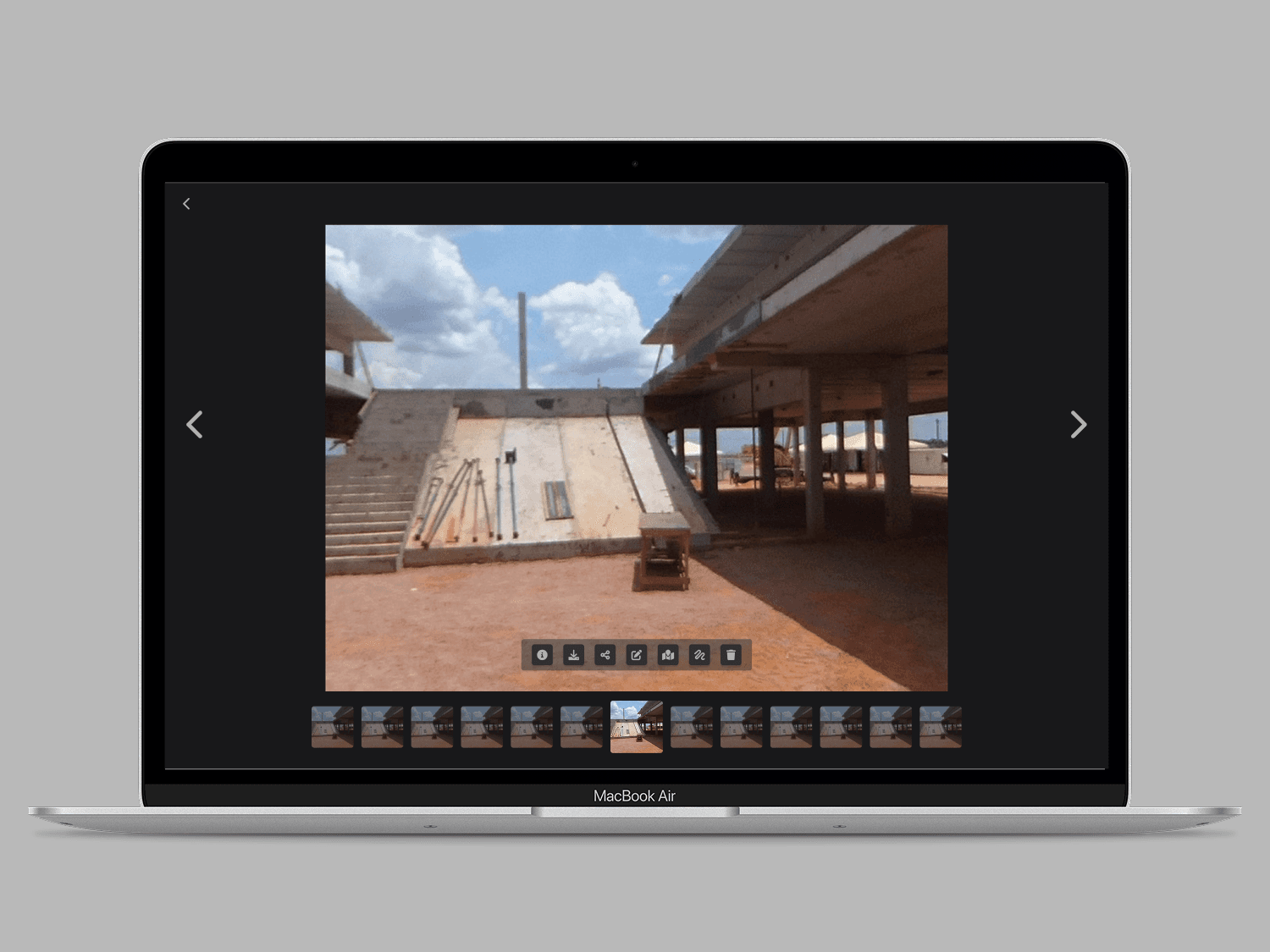
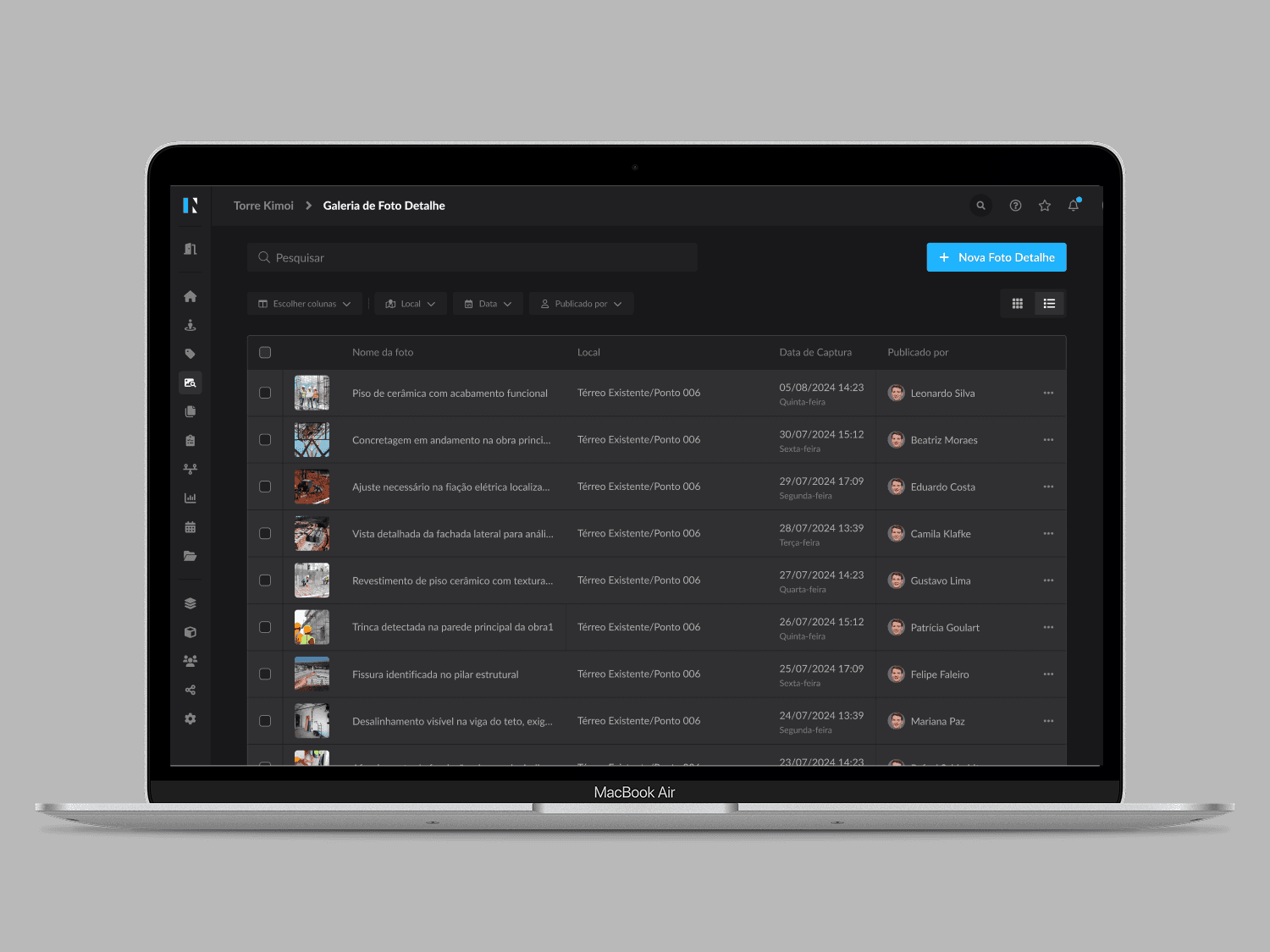
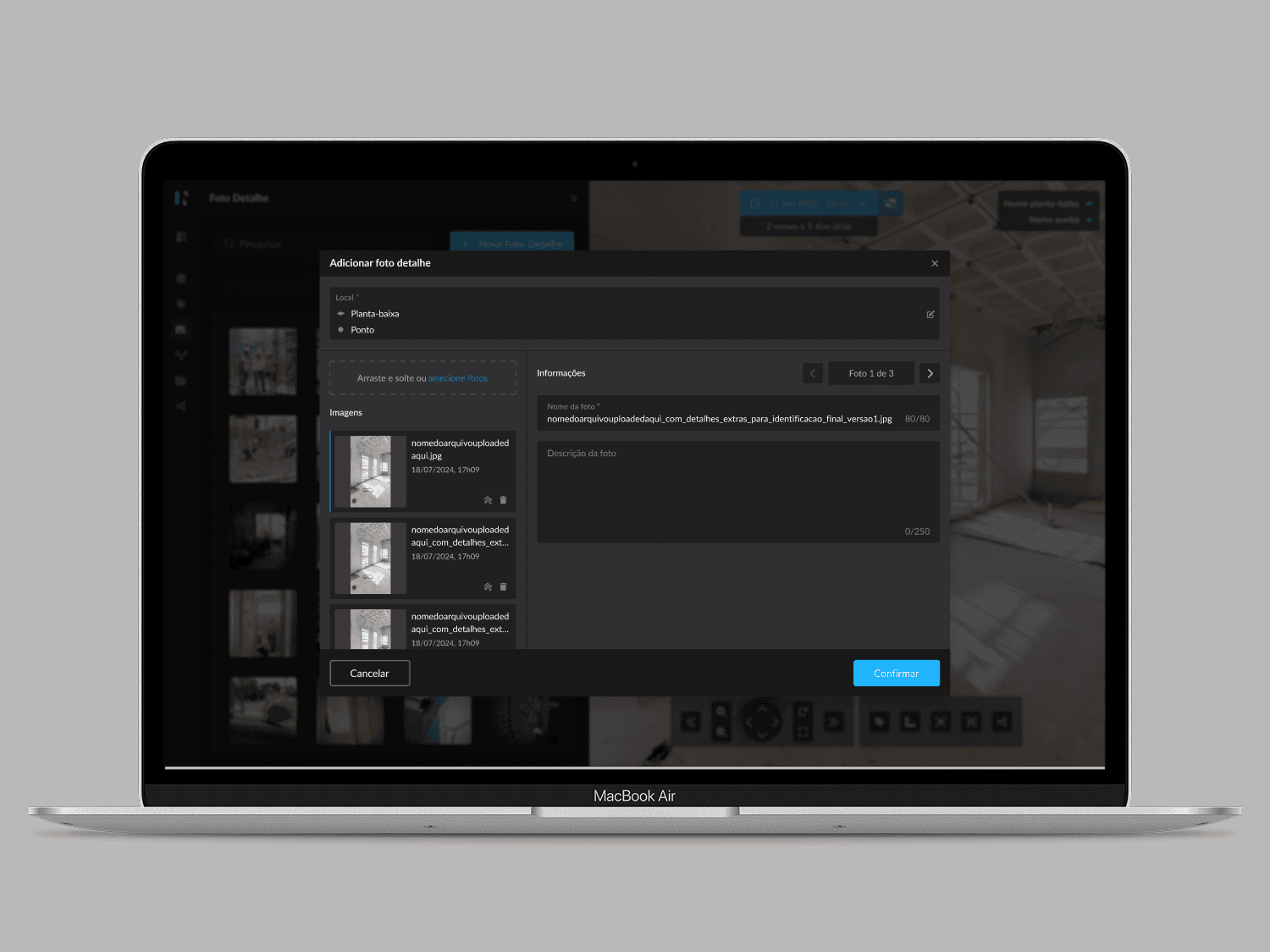
That’s why Construct IN presents Photo Detail: a tool designed to create more efficient documentation of construction projects, complementing the panoramic view of 360º cameras with 2D photos.
360º images are essential for remote understanding of construction sites, ensuring transparency and detailed monitoring. However, in some cases, the view is limited. It’s not always possible to see small details or monitor large areas—especially in industrial projects, which demand a higher level of detail. Photo Detail is a solution that enhances the centralization of visual information.
The evidence that confirmed our direction
From Leroy Merlin to Braskem: why 2D photos with annotations make a difference
Through the interviews we conducted, we identified the need for more practical methods to capture information during site visits and inspections. One interviewee from Leroy Merlin mentioned the importance of using 2D photos with annotations to improve documentation and information sharing. Another case came from Braskem, which showed interest in using the Construct IN platform to monitor maintenance at its factory.
What we needed to be more competitive
We realized that competitors such as Open Space and Holobuilder offered similar solutions. This made us understand that by creating a tool like Photo Detail, we could become more competitive while also opening new opportunities to attract clients from different types of projects—especially those requiring greater levels of detail.
Five questions that revealed the real pain point
By applying the 5 Whys methodology, we found that clients wanted more detailed images because 360º cameras, while capturing wide views, could not clearly show small details. The resolution, spread across a wide field of view, compromises the sharpness of specific elements—such as electrical panels and small objects. This limitation is particularly critical in industrial projects, where details are essential.
Thus emerged the need for a solution that combined the panoramic capabilities of 360º cameras with detailed 2D images to record specific information, offering a more complete view for complex projects.
Internal research
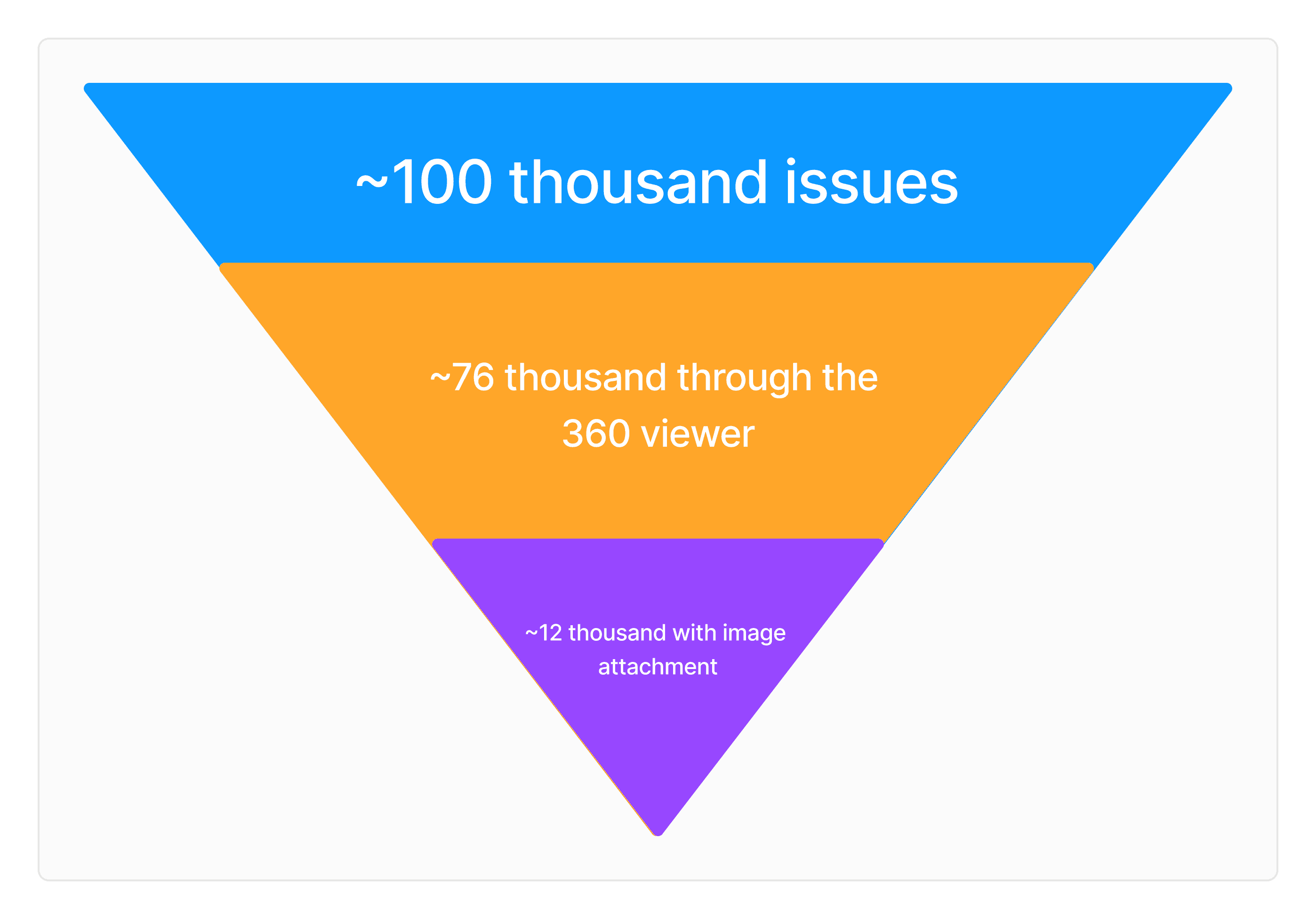
Our survey revealed that out of 100,000 recorded entries, 12,000 (16%) included 2D images as a complement to the 360 Viewer—evidence of their importance in describing project details.
However, these photos were tied to the context of individual entries, which made it difficult to search, reuse, and provide visibility to other stakeholders. This created a gap in the integration of visual data, reinforcing the need for a solution that would make these images more accessible and useful in day-to-day construction work.
Why Photo Detail made sense at that moment
The tool aligned directly with Construct IN’s vision of centralizing construction data to accelerate decision-making. By complementing 360º views with detailed images, Photo Detail ensured more precise documentation and faster decisions on-site, strengthening management efficiency.
At that time, Construct IN was aiming to scale and consolidate in new markets. The functionality proved strategic: it addressed the needs of industrial and infrastructure sectors that demanded high levels of detail and increased competitiveness against players like Open Space and Holobuilder.
Thus, Photo Detail not only enhanced the existing platform but also opened doors for expansion into more demanding segments, consolidating Construct IN’s market position.
Time to prototype
Once we understood the need for Photo Detail, we defined the main objectives this tool would bring to both the construction industry and Construct IN.
The proposal was to complement 360º captures with 2D photos and drone images, ensuring critical details were registered and easily accessible. This broadened clarity and comprehensiveness in project documentation. The solution addressed clients’ demand for more detailed records, improved user experience, supported decision-making with centralized visual data, and made Construct IN more competitive and attractive—especially for industrial and highly complex projects.
With this in mind, we started early prototyping experiments with low-fidelity sketches.